
Pregnancy Risk Calculator — by Cycle Day
Work out the pregnancy risk of a specific encounter from your cycle dates. Uses the six-day fertile window established by Wilcox (NEJM 1995) and shows a risk band rather than an invented percentage.
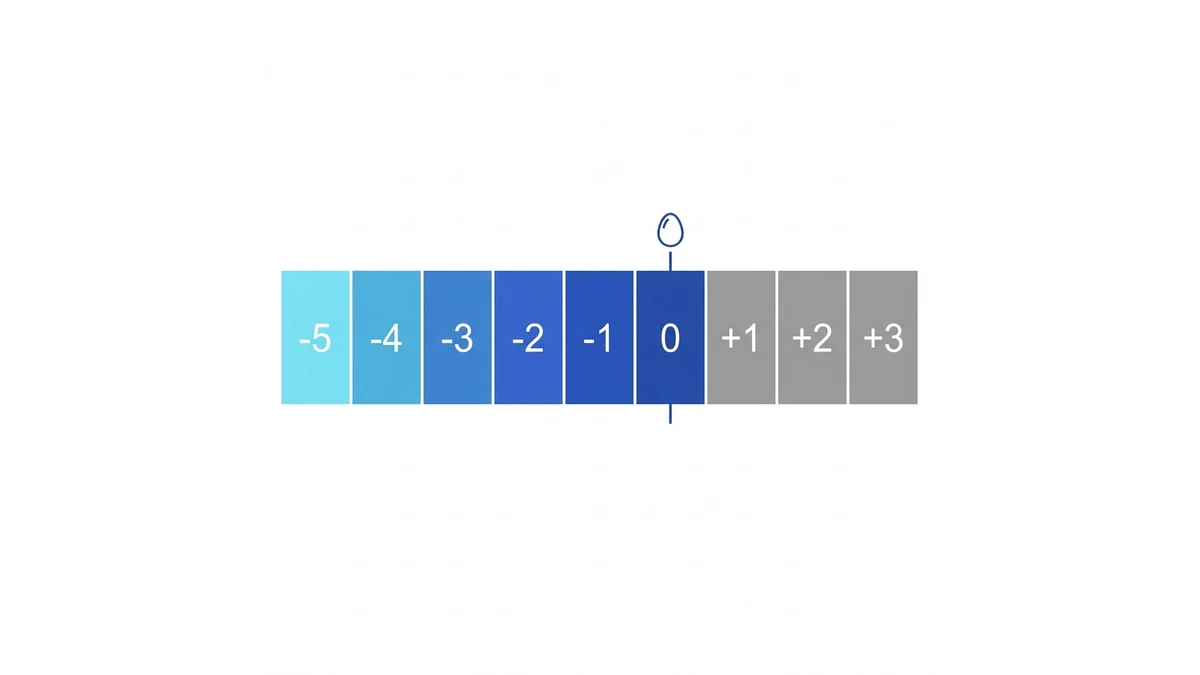
How to use this calculator
- Enter the first day of your last period — the day bleeding started, not when it ended.
- Enter your usual cycle length. If it varies a lot, tick the irregular box: the calculator will tell you it cannot estimate rather than guess.
- Enter the date of the encounter and the contraception in use.
- Read the band, not a percentage. Day-specific probabilities are only published for two days of the window, so inventing a number for the rest would be dishonest.
FAQ
How many days of the cycle carry real pregnancy risk?
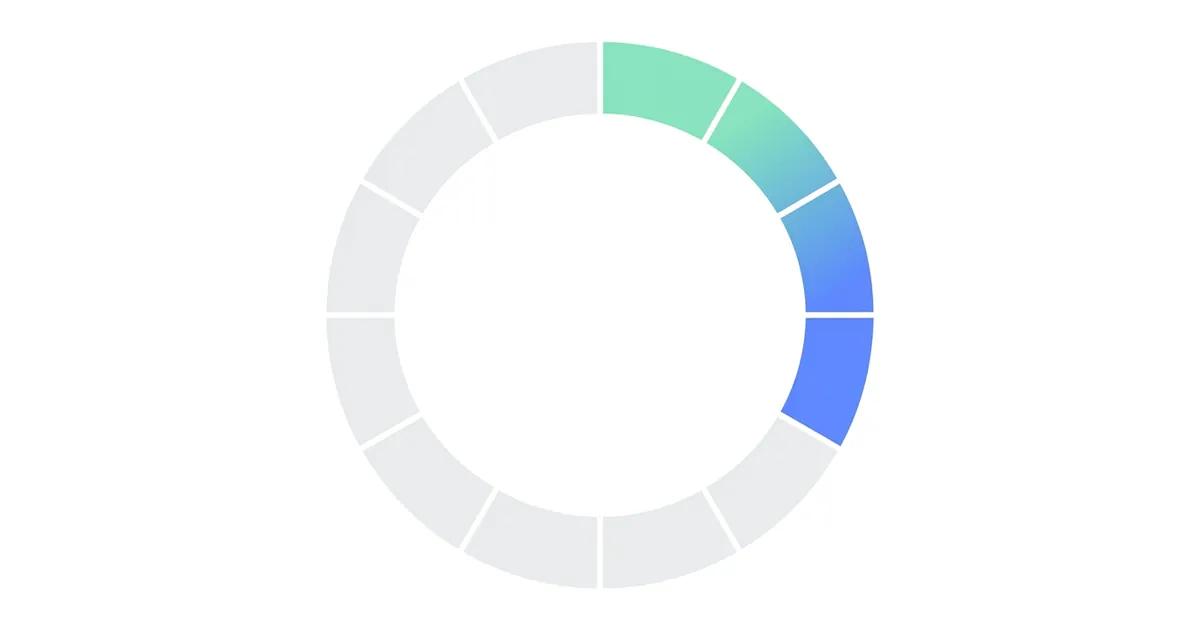
Six: the five days before ovulation and the day of ovulation itself. In the Wilcox study (NEJM, 1995), covering 221 women and 625 cycles, no conception occurred from intercourse outside that window.
What is the probability on each day?
The study publishes figures for two days: 10% five days before ovulation and 33% on the day of ovulation. No point estimates are published for the days in between, so this calculator shows a band instead of inventing a number.
What if my cycles are irregular?
Then ovulation cannot be placed reliably, and the calculator says so explicitly. The luteal phase is fairly stable at about 14 days, but that only helps if you know when the next period will start.
Does the method failure rate add to the cycle-day risk?
No, and combining them is a common mistake. Condom or pill failure rates are annual figures for a year of continuous use. The cycle-day risk is for one specific encounter. They are different quantities and must not be multiplied together.
CalcVita. (2026). Pregnancy Risk Calculator — by Cycle Day. CalcVita. Retrieved September 14, 2026, from https://calcvita.com/en/calculators/pregnancy-risk
Suggested article
Pregnancy risk by cycle day: what the evidence actually supports
The six-day fertile window, the two day-specific probabilities that are genuinely published, why the days in between are deliberately left blank, and the trap of confusing an annual failure rate with the risk from one encounter.
Read the full article →More calculators
Keep exploring helpful tools
Ovulation calculator
Estimate fertile window and ovulation date from your cycle.
Conception date
Estimate the likely conception date from your due date or last period.
Period calculator
Predict your next period, fertile window, and current cycle phase.
Due date calculator
Estimate due date from last menstrual period.