
Calculadora de risco de gravidez por dia do ciclo
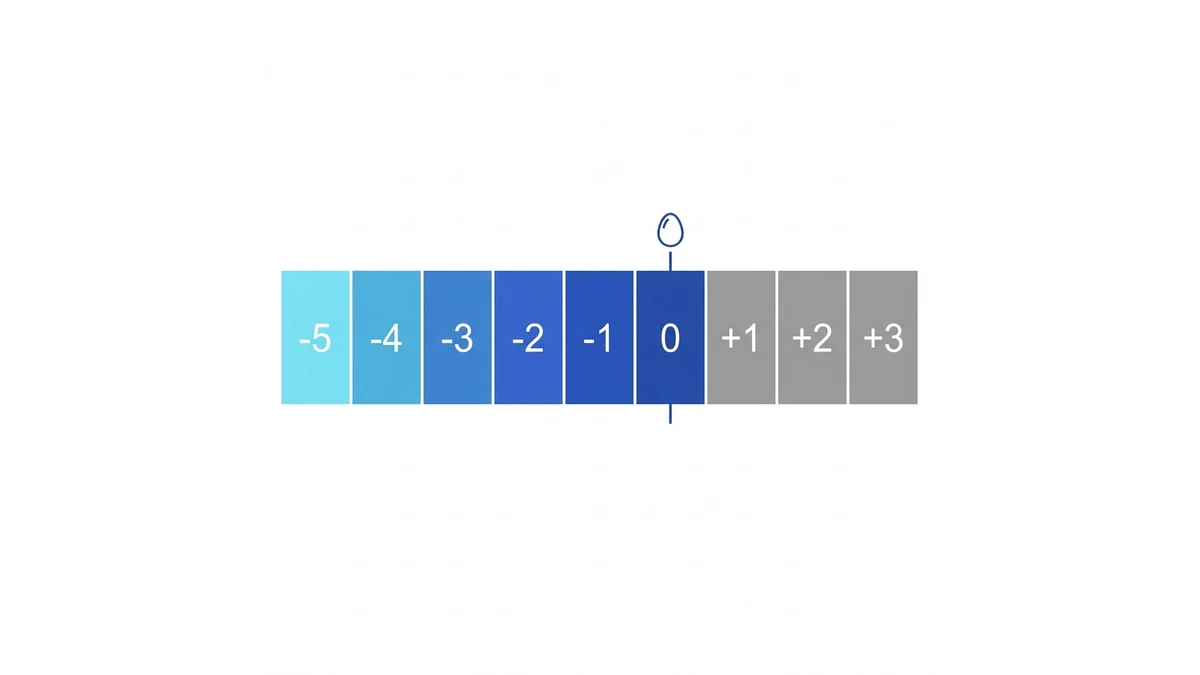
Calcule o risco de gravidez de uma relação concreta a partir das datas do seu ciclo. Usa a janela fértil de seis dias estabelecida por Wilcox (NEJM 1995) e mostra uma faixa de risco em vez de uma percentagem inventada.
Como usar esta calculadora
- Introduza o primeiro dia da sua última menstruação — o dia em que começou o sangramento, não quando terminou.
- Introduza a duração habitual do ciclo. Se variar muito, assinale a caixa dos ciclos irregulares: a calculadora dirá que não consegue estimar em vez de adivinhar.
- Introduza a data da relação e a contraceção que usava.
- Leia a faixa, não uma percentagem. Só existem probabilidades publicadas para dois dias da janela, por isso inventar um valor para os restantes seria desonesto.
FAQ
How many days of the cycle carry real pregnancy risk?
Six: the five days before ovulation and the day of ovulation itself. In the Wilcox study (NEJM, 1995), covering 221 women and 625 cycles, no conception occurred from intercourse outside that window.
What is the probability on each day?
The study publishes figures for two days: 10% five days before ovulation and 33% on the day of ovulation. No point estimates are published for the days in between, so this calculator shows a band instead of inventing a number.
What if my cycles are irregular?
Then ovulation cannot be placed reliably, and the calculator says so explicitly. The luteal phase is fairly stable at about 14 days, but that only helps if you know when the next period will start.
Does the method failure rate add to the cycle-day risk?
No, and combining them is a common mistake. Condom or pill failure rates are annual figures for a year of continuous use. The cycle-day risk is for one specific encounter. They are different quantities and must not be multiplied together.
CalcVita. (2026). Calculadora de risco de gravidez por dia do ciclo. CalcVita. Retrieved 8 de setembro de 2026, from https://calcvita.com/pt/calculadoras/risco-de-gravidez
Artigo recomendado
Risco de gravidez conforme o dia do ciclo: o que a evidência sustenta de facto
A janela fértil de seis dias, as duas únicas probabilidades por dia realmente publicadas, porque é que os dias intermédios ficam em branco de propósito, e a armadilha de confundir uma taxa de falha anual com o risco de um encontro.
Ler o artigo completo →Mais calculadoras
Continue explorando ferramentas úteis
Calculadora de ovulação
Estime sua janela fértil e data de ovulação com base no ciclo.
Data de concepção
Estime a data provável de concepção a partir da data do parto ou da última menstruação.
Calculadora de período
Preveja sua próxima menstruação, janela fértil e fase atual do ciclo.
Data provável do parto
Calcule a DPP a partir da última menstruação.