Health guide
Lipedema: The Complete Guide to Diagnosis, Stages, and Treatment
Learn to recognize lipedema and tell it apart from lymphedema and obesity: Wold and S2k criteria, types, stages, the Stemmer sign and evidence-based treatments. It affects up to 11% of women, yet it is often diagnosed only years after the first symptoms.
Free online tool
Lipedema assessment
What is lipedema?
Lipedema is a chronic, progressive disease of adipose tissue characterized by the symmetrical, disproportionate accumulation of fat, predominantly in the legs and sometimes the arms, while hands and feet are spared. It almost exclusively affects women and is now recognized by the WHO under ICD-11 code EF02.2 as a distinct medical condition, separate from obesity or lymphedema.
Unlike ordinary fat, lipedema fat is resistant to diet and exercise. Affected tissue is painful to pressure, bruises easily, and progressively worsens without appropriate intervention. The disease carries a significant psychological burden due to persistent misdiagnosis and the misconception that patients simply need to lose weight.
History and prevalence
Lipedema was first formally described by Allen and Hines at the Mayo Clinic in 1940 as a syndrome of bilateral leg fat accumulation. In 1951, Wold, Hines, and Allen published more refined diagnostic criteria that remain foundational to this day. Despite over 80 years of medical literature, the condition is still dramatically underdiagnosed.
Key epidemiological data
Up to 11%
Frequently cited estimate
A widely quoted German estimate puts it at up to 11% of women; robust population studies are still lacking, and many cases go undiagnosed.
Years
Diagnostic delay
Diagnosis often comes years after symptoms begin, and many patients see several specialists before getting it right.
1940
First clinical description
Allen and Hines, Mayo Clinic, published the first formal characterization.
ICD-11 EF02.2
WHO recognition
Lipedema now has its own classification code in the International Classification of Diseases.
Symptoms and clinical signs
The hallmark of lipedema is pain. According to the S2k German Guideline 2024, spontaneous or pressure-induced pain is mandatory for diagnosis and is what distinguishes lipedema from lipohypertrophy (disproportionate fat without pain). Symptoms typically appear or worsen during hormonal transitions such as puberty, pregnancy, or menopause.
Core symptoms
Pain
Mandatory diagnostic criterion
Spontaneous or pressure-induced pain in the affected tissue, often described as heaviness or tenderness.
78%
Easy bruising
In a Swiss cohort of 381 women, 78% reported bruising easily, often from minimal or no apparent trauma.
Disproportion
Bilateral and symmetrical
Fat accumulates symmetrically in the legs and/or arms while the trunk, hands, and feet remain relatively spared.
Diet resistance
Fat does not respond to caloric deficit
Even with strict diet and exercise, lipedema fat persists while the rest of the body may lose weight.
Swelling
Orthostatic edema
Legs often swell throughout the day, especially in warm weather or after prolonged standing.
Diagnostic criteria
Three major diagnostic frameworks guide clinical assessment. The original Wold et al. criteria (1951) focus on bilateral leg edema with pain and easy bruising. The S2k German Guideline (2024) updated the approach by making pain mandatory and explicitly distinguishing lipedema from lipohypertrophy. The Lipedema World Alliance Delphi consensus, published in Nature Communications in 2026, reached international agreement on 59 statements covering the definition and management of lipedema.
Diagnostic frameworks
Wold et al. 1951
Original criteria
Bilateral fatty swelling of legs, pain on pressure, easy bruising, sparing of feet, no pitting edema initially.
S2k Guideline 2024
German Society of Phlebology and Lymphology (DGPL)
Pain is MANDATORY. Distinguishes lipedema (with pain) from lipohypertrophy (without pain). Staging is informational only.
Delphi Consensus 2026
Lipedema World Alliance
Expert consensus from 19 countries, published in Nature Communications: 59 agreed statements on the definition and management of lipedema.
Pain distinguishes lipedema from lipohypertrophy
The S2k 2024 guideline makes a critical distinction: disproportionate fat accumulation WITHOUT pain is classified as lipohypertrophy, not lipedema. Pain (spontaneous or provoked) is the defining feature that elevates the condition from a cosmetic concern to a medical disease.
Types I-V: anatomical distribution
Lipedema is classified into five types based on the anatomical location of fat accumulation. A patient may present with one type or a combination. The classification helps clinicians plan treatment and communicate findings consistently.
Lipedema types
Type I
Hips and buttocks
Fat accumulation concentrated in the pelvis, buttocks, and hip region.
Type II
Hips to knees
Fat extends from the buttocks down to the knees, with medial fat pads forming around the inner knee.
Type III
Hips to ankles
Entire lower limb is affected from hips to the ankle, with a characteristic cuff of fat above the malleoli.
Type IV
Arms involved
Fat accumulation additionally affects the upper arms, often from shoulder to wrist with spared hands.
Type V
Lower legs only
Fat accumulation primarily affects the calves, a less common presentation.
Stages 1-4: tissue changes
Staging describes the structural changes in the affected tissue over time. However, the S2k 2024 guideline emphasizes that staging is informational only and does not reliably correlate with symptom severity or disease burden. A patient in stage 1 may experience more pain and functional limitation than one in stage 3.
Lipedema stages
Stage 1
Smooth skin surface
Skin is normal in appearance, but the subcutaneous tissue feels thickened with small nodules on palpation.
Stage 2
Irregular surface
Skin develops indentations and larger nodular structures within the fat. Tissue feels more fibrotic.
Stage 3
Large tissue folds
Significant tissue proliferation leads to large folds and lobules, especially on the inner thighs and knees.
Stage 4
Lipolymphedema
Lipedema with concurrent lymphedema. The lymphatic system is compromised, leading to additional non-pitting edema.
Staging does not equal severity
Per the S2k 2024 consensus, the stage classification does not reflect disease severity or guide treatment decisions. Pain level, functional impairment, and psychological burden are more relevant for treatment planning than tissue appearance alone.
Differential diagnosis: lipedema vs lymphedema vs obesity
Lipedema is frequently confused with other conditions, even by healthcare professionals, most of whom receive little to no training on it during medical school. No single blood test or imaging study confirms it: the diagnosis is clinical, based on history, physical examination and ruling out other conditions such as lymphedema, venous insufficiency or Dercum disease. The two mix-ups that matter most are lymphedema and obesity.
Lipedema vs lymphedema
Lymphedema occurs when the lymphatic system does not drain fluid properly, so the swelling is fluid rather than fat. It can be present from birth (primary lymphedema) or develop after surgery, radiation, infection or injury to the lymph nodes (secondary lymphedema). It often affects just one side, for example one arm after breast cancer surgery, and over time the skin can thicken, harden and become prone to infections.
How lipedema and lymphedema compare
Symmetry
Both sides vs. often one side
Lipedema is always bilateral and symmetrical. Lymphedema can affect just one limb or be more pronounced on one side.
Hands and feet
Spared vs. involved
Lipedema stops at the wrists and ankles, creating a visible cuff. Lymphedema often includes hands and feet, making rings and shoes tight.
Stemmer sign
Negative vs. positive
Try to pinch and lift a fold of skin on top of the second toe. In lipedema it lifts easily (negative sign); in lymphedema the skin is too thick and tight to pinch (positive sign).
Pain and bruising
Painful vs. usually painless
Lipedema tissue is tender, heavy and painful when pressed, and bruises easily. Lymphedema causes tightness and heaviness but is typically not painful unless complicated by infection, and easy bruising is not one of its features.
Response to elevation
No change vs. improves
Raising your legs overnight does not reduce lipedema volume. Lymphedema swelling typically decreases with elevation.
Onset
Hormonal triggers vs. damage or injury
Lipedema usually starts at puberty, pregnancy or menopause. Secondary lymphedema often follows surgery, radiation or infection.
Treatment
Different first line
Lymphedema is primarily managed with complete decongestive therapy (CDT): manual lymphatic drainage, compression bandaging, exercise and skin care. Applying standard lymphedema protocols to lipedema typically produces disappointing results.
The two conditions can also overlap. In advanced lipedema, the abnormal fat tissue can eventually damage the lymphatic system, producing lipolymphedema (stage 4). Feet that start swelling when they never did before, or a Stemmer sign that turns positive, are warning signs. Lipolymphedema requires a combined approach that addresses both the fatty tissue and the lymphatic dysfunction, which is why catching lipedema before it reaches that point leaves more and better treatment options.
Lipedema vs obesity
Both can raise BMI and affect mobility, but lipedema fat does not accumulate because of a caloric surplus, does not shrink with a caloric deficit and does not distribute evenly across the body: it is driven by hormones and genetics, not by lifestyle. The typical pattern is losing weight in the face, chest and abdomen while the legs remain unchanged.
Lipedema vs obesity: what to look for
Fat distribution
Disproportionate vs. generalized
Lipedema fat concentrates symmetrically in the legs and sometimes the arms, so a slender upper body and waist can sit on disproportionately large legs. Obesity distributes fat more evenly or concentrates it in the abdomen.
Pain and bruising
Painful vs. not painful
Lipedema tissue is painful to pressure, feels heavy and bruises from minor contact. Obesity alone does not cause the same tissue tenderness, and easy bruising is not one of its hallmarks.
Ankle cuff
Visible step at the ankles vs. gradual
In lipedema the fat stops abruptly at the ankles, above normal-sized feet. This is not seen in obesity.
BMI divides your weight by your height squared, but it cannot tell where your fat is, what type of fat it is or whether it responds to diet. A person with lipedema may have a BMI of 35 yet carry most of that weight in leg tissue that no amount of dieting will reduce. The waist-to-height ratio (WHtR) is a better indicator of lipedema-type disproportion because it highlights the mismatch between upper body size and overall weight, but no single number can replace clinical assessment.
Dercum disease (adiposis dolorosa) is the other condition to rule out: it presents with multiple painful lipomas rather than diffuse painful adipose tissue, and it may coexist with lipedema.
Associated conditions
Research and clinical experience show that lipedema frequently coexists with other conditions. Recognizing these comorbidities is important for comprehensive patient care.
Common comorbidities
22-36%
Hypothyroidism
Reported in roughly a quarter to a third of patients across clinical cohorts.
44-58%
Joint hypermobility
Nearly half of lipedema patients exhibit joint hypermobility, suggesting connective tissue involvement.
Frequent
PCOS and endometriosis
Hormonal conditions are overrepresented, supporting the role of estrogen in lipedema pathogenesis.
Emerging
SIBO and gut hyperpermeability
Digestive symptoms are reported in lipedema cohorts; SIBO and gut barrier dysfunction are clinical observations that still need systematic study.
25-64%
Depression
Depression or depressive symptoms are reported in 25% to 64% of patients, depending on the cohort and how it is measured, well above general population rates.
Treatment options
Lipedema treatment follows a stepwise approach beginning with conservative measures and potentially progressing to surgical intervention. No single treatment cures lipedema, but combined strategies can significantly reduce symptoms and slow progression.
Treatment approaches
Compression therapy
First-line conservative
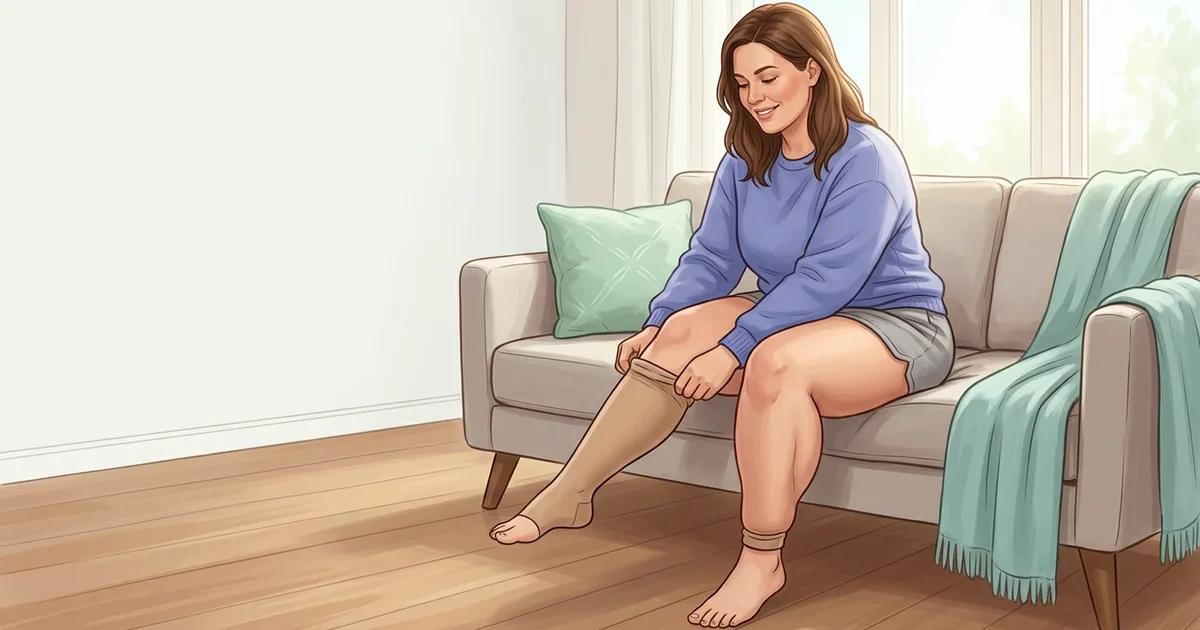
Flat-knit compression garments reduce swelling, provide tissue support, and help manage pain. Custom-fitted garments are recommended over round-knit.
Anti-inflammatory nutrition
Dietary management
While diet cannot reduce lipedema fat, anti-inflammatory dietary patterns can reduce pain, edema, and prevent concomitant obesity.
Exercise
Adapted physical activity
Low-impact exercises such as swimming, aqua therapy, cycling, and walking with compression help maintain mobility and reduce symptoms.
MLD
Manual lymphatic drainage
Specialized massage technique that promotes lymph flow and reduces edema, especially beneficial when lymphatic involvement is present.
Liposuction (WAL/PAL)
Surgical intervention
Water-assisted liposuction (WAL) or power-assisted liposuction (PAL) are lymph-sparing techniques specifically adapted for lipedema tissue.
Psychological impact
The psychological burden of lipedema is substantial and often underestimated. Chronic pain, visible body changes, repeated misdiagnosis, and the dismissive attribution of symptoms to lifestyle choices create a cycle of frustration, shame, and isolation.
Mental health data
25-64%
Depression prevalence
Depression rates in lipedema patients are markedly higher than in the general population.
More frequent
Eating disorders
Disordered eating is reported more often, frequently fuelled by repeated, futile dieting attempts.
Significant
Social isolation
Many patients withdraw from social activities due to pain, mobility limitations, and body image distress.
Psychological support should be considered an integral part of lipedema care. Cognitive behavioral therapy, support groups, and patient education can significantly improve quality of life alongside physical treatment.
Who gets lipedema?
If you are reading this, there is a good chance you or someone close to you has been struggling with symptoms that no one seems to take seriously. You are not alone. Lipedema overwhelmingly affects women, and it is closely tied to hormonal changes throughout life. Many people first notice something is different during puberty, when their legs begin to grow disproportionately even though they eat and exercise the same as their peers. Others notice a dramatic shift during pregnancy or after menopause.
There is a strong genetic component. If your mother, grandmother, or sister has legs that look and feel similar to yours, that family pattern is an important clue. In a Swiss cohort of 381 women, about half (49.9%) reported a family history of lipedema. The condition has also been identified, though far more rarely, in men with hormonal imbalances or liver disease, reinforcing the hormonal link.
The hormonal connection means lipedema can flare up or progress at specific life stages: puberty, when taking hormonal contraceptives, during or after pregnancy, during perimenopause, and after menopause. Understanding these triggers can help you notice early signs and seek evaluation sooner rather than later.
How our screening calculator works
CalcVita's Lipedema Assessment is a free online screening tool. It was developed in collaboration with medical specialists and is based on the scientific consensus criteria from the Wold diagnostic framework, the S2k 2024 German guideline, and the Lipedema World Alliance Delphi consensus published in Nature Communications. Its aim is to help shorten the long diagnostic delay that many patients face.
The calculator asks you a series of structured questions about your symptoms, body proportions, pain patterns, family history, hormonal timeline, and associated conditions. Each answer contributes to a weighted score that reflects how closely your profile matches the recognized clinical criteria for lipedema.
What your score means
Low probability
Few criteria met
Your symptom profile does not strongly suggest lipedema at this time. However, if your symptoms worsen or new ones appear, consider retaking the assessment.
Moderate probability
Several criteria met
You share enough features with lipedema that it would be wise to discuss your results with a specialist. Bring your report to the appointment.
High probability
Many criteria met
Your profile aligns strongly with the clinical picture of lipedema. We recommend seeking a specialist evaluation as soon as reasonably possible.
Screening, not diagnosis
This tool is designed to help you understand your symptoms and prepare for a medical conversation. It is NOT a diagnosis. Only a qualified healthcare professional can diagnose lipedema after a thorough clinical examination. Think of your screening result as a well-organized set of notes to bring to your doctor.
What to do if you score high
Receiving a high score on a lipedema screening tool can be both validating and overwhelming. For many people, it is the first time they see their years of symptoms reflected in something concrete. Here is a practical roadmap for what to do next.
Finding the right specialist
Vascular surgeon
First choice in many countries
Vascular surgeons with experience in lipedema can perform a clinical evaluation and rule out venous insufficiency or lymphedema.
Lymphologist
Specialist in lymphatic disorders
Lymphologists understand the overlap between lipedema and the lymphatic system and can prescribe appropriate conservative treatments.
Phlebologist
Vein specialist
Phlebologists can evaluate the venous component that often accompanies lipedema, particularly in advanced stages.
Dermatologist
Among the S2k authors
The German S2k 2024 guideline, led by the German Society of Phlebology and Lymphology, counts several dermatologists among its authors and was published in the German dermatology journal JDDG. Some dermatologists with specific training can diagnose and manage lipedema.
General practitioners may not be familiar with lipedema, so look for a specialist with specific experience in the condition; some regions have dedicated lipedema clinics. Expect a thorough clinical examination of your legs and potentially your arms. The doctor may pinch the tissue to assess nodularity, check for the Stemmer sign (to rule out lymphedema), measure circumferences at various points, and ask about your pain levels, family history, and hormonal timeline. In some cases, ultrasound imaging may be used to evaluate tissue composition.
Prepare for your appointment by downloading the PDF report from our calculator. Write down when you first noticed symptoms, whether anyone in your family has similar legs, any hormonal milestones (puberty onset, pregnancies, menopause), how your symptoms change throughout the day and what happens to your legs when you diet. Photos showing the contrast between your upper and lower body can also be very helpful. The more organized your information, the more productive the consultation will be.
Living with lipedema: day-to-day management
A lipedema diagnosis is not a dead end. While there is currently no cure, there are many evidence-based strategies that can meaningfully reduce pain, slow progression, and improve your quality of life. The key is a consistent, multi-pronged approach.
Conservative management strategies
Compression garments
Daily use recommended
Flat-knit compression garments (not round-knit) provide tissue support, reduce swelling, and help manage pain. Custom-fitted garments are most effective. Wear them during the day, especially during physical activity.
Manual lymphatic drainage
Regular sessions
MLD is a gentle massage technique performed by trained therapists. It helps move fluid out of congested areas and is especially valuable if there is any lymphatic involvement. Many patients notice reduced heaviness and pain after sessions.
Adapted exercise
Low-impact, regular movement
Swimming, water aerobics, cycling, walking, and yoga are excellent choices. Water-based exercises are particularly beneficial because the hydrostatic pressure provides natural compression. Exercise in compression garments when possible.
Anti-inflammatory nutrition
Reduce systemic inflammation
While diet cannot remove lipedema fat, an anti-inflammatory eating pattern (rich in vegetables, omega-3 fatty acids, and low in processed foods) can reduce pain and swelling. Some patients report benefit from reducing dairy, gluten, or sugar, though evidence is individualized.
Skin care
Protect fragile tissue
Lipedema skin bruises easily and may be prone to infections. Keep your skin moisturized, protect your legs from bumps and scratches, and treat any injuries promptly.
For patients who do not achieve sufficient relief from conservative measures, surgical options exist. Lymph-sparing liposuction techniques, specifically water-assisted liposuction (WAL) and power-assisted liposuction (PAL), have shown strong results in specialized centers. These techniques remove the diseased fat tissue while preserving lymphatic vessels. Surgery does not cure lipedema, but it can produce dramatic reductions in pain, volume, and the need for compression. It is important to choose a surgeon who has specific experience with lipedema, as standard cosmetic liposuction uses different techniques that can damage the lymphatic system.
The emotional dimension of living with lipedema deserves equal attention. Many people spend years feeling dismissed by doctors, ashamed of their bodies, and frustrated by diets that never work. Connecting with a support community, whether online or in person, can be profoundly healing. Knowing that thousands of others share your experience transforms isolation into solidarity. Consider seeking a therapist familiar with chronic illness, body image issues, or chronic pain.
Frequently asked questions
Is lipedema the same as being overweight?
No. Lipedema is a medical condition involving abnormal adipose tissue: it is resistant to diet and exercise, painful to the touch, and distributed symmetrically in the limbs while sparing the hands and feet. Many people with lipedema have a normal-weight upper body and disproportionately larger legs. Lipedema and obesity can coexist, however, which is one reason the condition is so frequently misdiagnosed.
Can men get lipedema?
Lipedema is extremely rare in men, but it has been documented in cases involving hormonal imbalances, liver cirrhosis, or hypogonadism. The overwhelming association with female hormones (estrogen) explains why the condition almost exclusively affects women. If you are a man experiencing symmetrical painful fat accumulation in the legs, it is worth discussing with your doctor, but other conditions should also be considered.
Will losing weight help my lipedema?
Weight loss through diet and exercise will not reduce lipedema fat specifically, but it can help if you also carry non-lipedema weight. Maintaining a healthy weight reduces the overall burden on your body, decreases inflammation, and can make compression therapy more effective. The critical point is that lipedema fat will remain even as other body fat decreases, which is why many patients describe losing weight everywhere except their legs.
Is lipedema covered by health insurance?
Coverage varies significantly by country and insurance provider. In Germany, conservative treatments like compression garments and manual lymphatic drainage are typically covered. Liposuction for lipedema has been covered by German statutory health insurance since 2020, following a 2019 decision of the Federal Joint Committee (G-BA), for stage 3 cases that do not respond to conservative therapy, with expanded coverage under discussion. In other countries, advocacy organizations are working to improve recognition and coverage. Check with your local lipedema patient association for guidance specific to your region.
At what age does lipedema usually start?
Lipedema most commonly first appears around puberty, when hormonal changes trigger the abnormal fat accumulation. However, the condition can also emerge or become noticeable during other hormonal milestones: pregnancy, use of hormonal contraceptives, or menopause. Because the onset is gradual and often dismissed as normal weight gain during adolescence, many people do not realize something is medically different until years or even decades later.
Clinical contribution
Part of the clinical criteria incorporated in this assessment has been developed in collaboration with Dr. Ivan Ibanez (Medical License No. 17/05487), specialist at Eternal Medical Group in Girona, Spain. His clinical practice with lipedema patients has contributed novel observations including heightened sense of smell (hyperosmia), frequent trochanteritis, and the association of SIBO and intestinal hyperpermeability with lipedema presentation.
Scientific references
Wold LE, Hines EA Jr, Allen EV. Lipedema of the legs: a syndrome characterized by fat legs and edema. Ann Intern Med. 1951. Faerber G et al. S2k guideline on lipedema. J Dtsch Dermatol Ges. 2024. Kruppa P et al. Lipedema World Alliance Delphi Consensus-Based Position Paper on the Definition and Management of Lipedema. Nat Commun. 2026. Brazilian Consensus Statement on Lipedema using the Delphi methodology. J Vasc Bras. 2025. Halk AB, Damstra RJ. First Dutch guidelines on lipedema using the international classification of functioning, disability and health. Phlebology. 2017. Herbst KL. Rare adipose disorders (RADs) masquerading as obesity. Acta Pharmacol Sin. 2012. Child AH et al. Lipedema: an inherited condition. Am J Med Genet A. 2010. International Society of Lymphology. The diagnosis and treatment of peripheral lymphedema: 2020 Consensus Document. Lymphology. 2020. Dr. Ivan Ibanez. Eternal Medical Group. Clinical criteria and observations. 2023.
Sources
- Wold LE, Hines EA Jr, Allen EV. Lipedema of the legs. Ann Intern Med. 1951.
- Faerber G et al. S2k guideline on lipedema. J Dtsch Dermatol Ges. 2024.
- Halk AB, Damstra RJ. First Dutch guidelines on lipedema. Phlebology. 2017.
- Brazilian Consensus Statement on Lipedema. J Vasc Bras. 2025.
- Herbst KL. Rare adipose disorders (RADs) masquerading as obesity. Acta Pharmacol Sin. 2012.
- Child AH et al. Lipedema: an inherited condition. Am J Med Genet A. 2010.
- ISL Consensus Document on Lymphedema. Lymphology. 2020.
- Kruppa P et al. Lipedema World Alliance Delphi Consensus-Based Position Paper on the Definition and Management of Lipedema. Nat Commun. 2026;17:427.
- Luta X, Buso G et al. Clinical characteristics, comorbidities, and correlation with advanced lipedema stages: a retrospective study from a Swiss referral centre. PLoS One. 2025;20(3):e0319099.
- Beltran K, Herbst KL. Differentiating lipedema and Dercum's disease. Int J Obes. 2017;41(2):240–245.
- Fiengo E, Sbarbati A. Comorbidities in lipedema: toward a systemic perspective — a narrative review. Clin Exp Med. 2026;26.